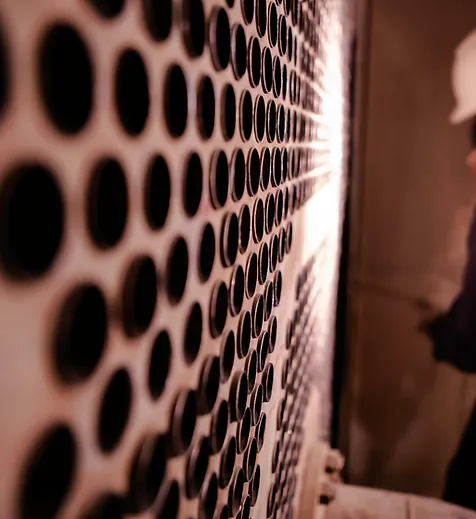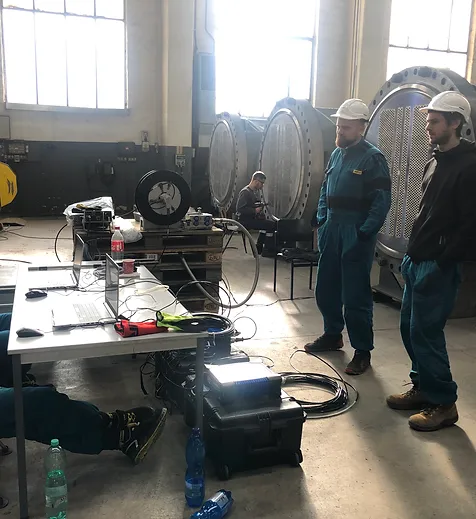
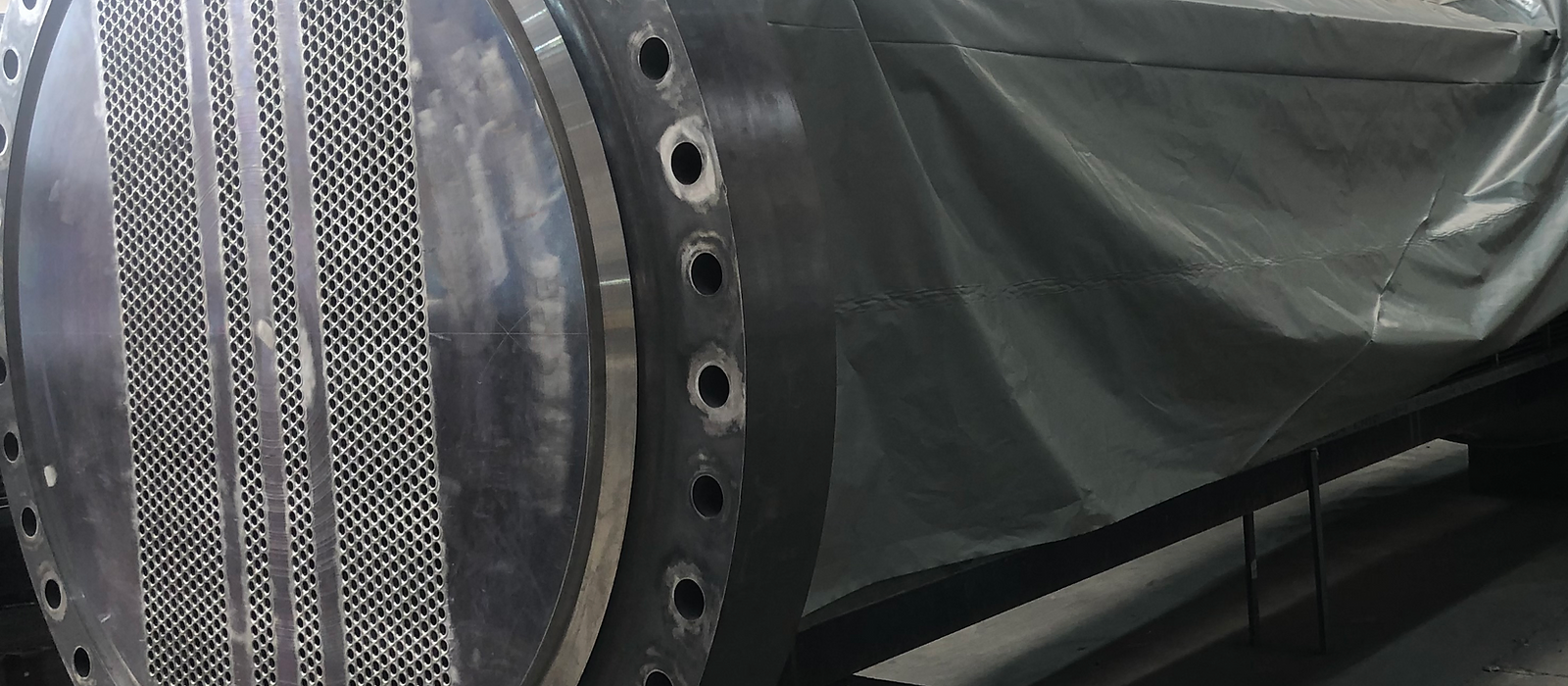
ET data collection and analysis
The eddy current method is used mainly to detect surface and near-surface defects in electrically conductive materials. The ET (eddy current) method is applied across many industries, above all in nuclear, thermal and combined-cycle power stations, on turbine blades in nuclear, combined-cycle, thermal and hydroelectric power stations, in the chemical and petrochemical industries and in mechanical engineering. An advanced probe signal processing algorithm converts the measured electromagnetic signal into an average value of wall thinning at the probe position.
For data collection with bobbin probes, we work with a company that develops manual probe pushers, and we are the only company carrying out testing in a real-world environment.
Our many years of experience allow us to deliver high performance and fast data collection, processed precisely and with high informative value. Our analytical results are supported by an expert opinion on the condition of the material measured.
Gallery
Project gallery